October 24, 2026 | London, United Kingdom
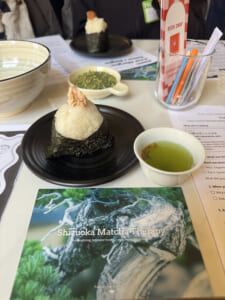
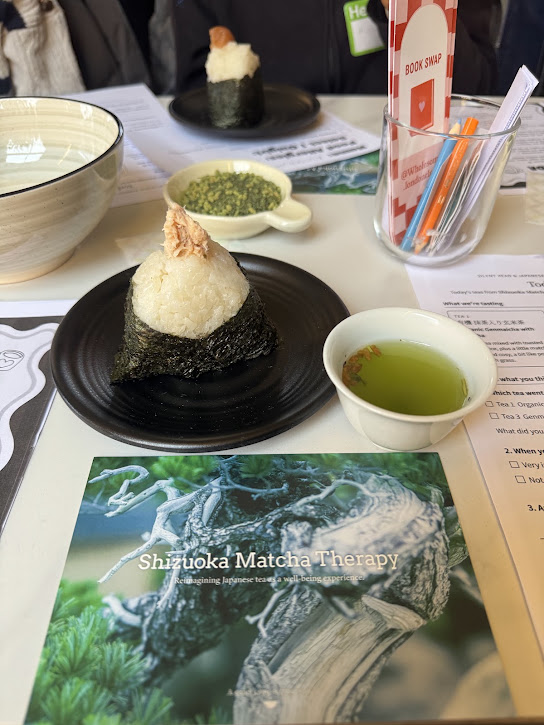
Shizuoka Matcha Therapy was delighted to introduce three carefully selected Japanese teas from Shizuoka, Japan, at a tea tasting experience held in London on October 24, 2026.
Organized in collaboration with The Wholesome Girls Club, the event brought together 11 participants for an intimate gathering combining Japanese tea, onigiri (Japanese rice balls), and meaningful conversations.
The experience offered an opportunity to explore how different Japanese teas complement food, while gathering valuable feedback from local participants.
Discovering the Perfect Tea Pairing for Onigiri
For the tasting, Shizuoka Matcha Therapy selected three Japanese teas, each offering a distinct flavor profile:
- Organic Genmaicha with Matcha: A blend of green tea, roasted rice, and matcha, offering nutty aromas and a pleasantly bitter finish.
- Genmaicha with Matcha: A balanced combination of green tea, roasted rice, and matcha, with a smooth, savory character.
- Organic Hojicha: A roasted Japanese green tea selected for its gentle sweetness and comforting aroma.
Participants sampled all three teas alongside onigiri and shared their impressions of the different pairings.
The results revealed some unexpected preferences.
The Results: Organic Genmaicha with Matcha Takes the Lead
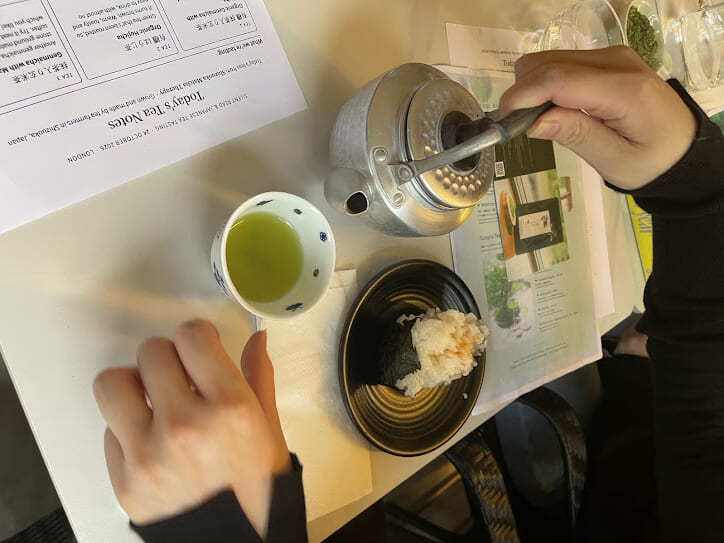
When asked which tea paired best with onigiri, participants responded:
| Japanese Tea | Votes |
|---|---|
| Organic Genmaicha with Matcha | 7 (63.6%) |
| Genmaicha with Matcha | 3 (27.3%) |
| Organic Hojicha | 1 (9.1%) |
Organic Genmaicha with Matcha was the clear favorite, selected by seven of the eleven participants.
Interestingly, its slightly bitter character, initially considered a potential challenge, became one of its strengths when paired with food.
Participants shared comments such as:
“I liked how the toasted rice matched the seaweed flavour.”
“I thought the slightly bitter taste went well with the chicken and spiciness of the onigiri.”
Another participant described the tea as:
“Nutty, bitter, roasted.”
These observations suggest that the roasted aroma and gentle bitterness of Japanese green tea can enhance savory, spicy, and umami-rich dishes.
Does Organic Certification Influence Tea Preferences?

The tasting also explored how important organic certification was to participants when choosing Japanese tea.
The responses were:
- Very important: 0 participants
- Somewhat important: 4 participants
- Not very important: 5 participants
- Not important at all: 2 participants
While organic certification can be an important consideration in certain markets, the responses from this small group suggest that it was not a primary priority for most participants.
Notably, Organic Genmaicha with Matcha received the highest preference for food pairing, despite organic certification not being considered highly important by the majority.
This highlights the importance of evaluating the actual sensory experience of tea, rather than relying solely on product labels or certifications.
Rethinking Japanese Tea’s Bitterness
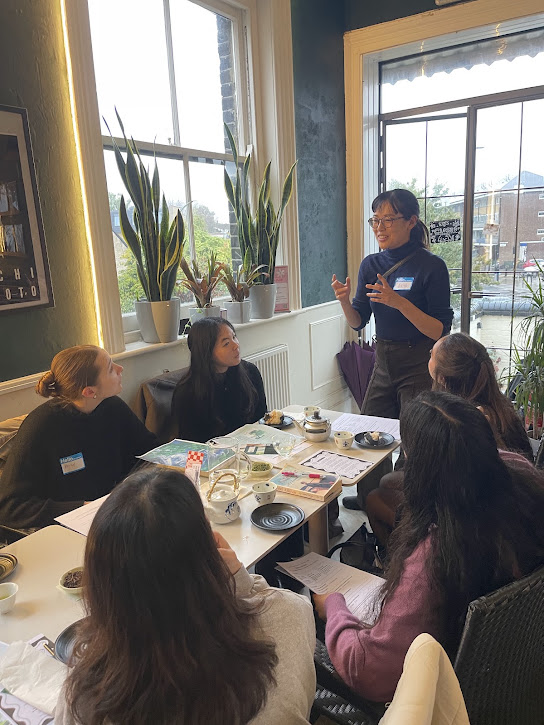
One of the most valuable discoveries from the event was how participants perceived bitterness.
In Japanese tea product development, bitterness and astringency are often carefully balanced to create a smooth drinking experience.
However, feedback from London suggested that these characteristics may play a positive role when tea is enjoyed with food.
The slightly bitter notes of Genmaicha with Matcha were appreciated alongside spicy chicken and sweet teriyaki flavors, while the roasted rice aroma complemented the seaweed used in onigiri.
These findings open up interesting possibilities for introducing Japanese tea beyond traditional tea-drinking occasions, including pairings with international cuisines.
Although the tasting involved a small number of participants, the feedback provides useful insights for future product selection and food-pairing recommendations.
Bringing Shizuoka Tea to the World
Shizuoka is one of Japan’s most renowned tea-producing regions, with a rich history of tea cultivation and craftsmanship.
At Shizuoka Matcha Therapy, we aim to introduce carefully selected Japanese teas to international audiences through quality, flavor, cultural experiences, and innovative approaches to tea enjoyment.
We believe Japanese tea has the potential to become part of everyday wellness and dining experiences around the world.
Events like this London tasting help us better understand how people from different cultural backgrounds experience Japanese tea and how we can make its unique qualities more accessible.
A Special Thank You
We sincerely thank The Wholesome Girls Club and everyone involved in organizing this event, as well as all participants who generously shared their feedback.
Their curiosity, openness, and thoughtful comments made this experience particularly meaningful.
We look forward to continuing our journey of sharing the flavors and possibilities of Shizuoka tea with the world.
Shizuoka Matcha Therapy — Reimagining Japanese Tea as a Well-being Experience.